Stroke rehabilitation to regain independence and quality of life
Recovery after a stroke takes time, dedication, and the right therapy approach. Our licensed neurological rehabilitation therapists bring specialized stroke recovery treatment directly to your home, helping you rebuild strength, restore mobility, and regain the independence you need for daily living.
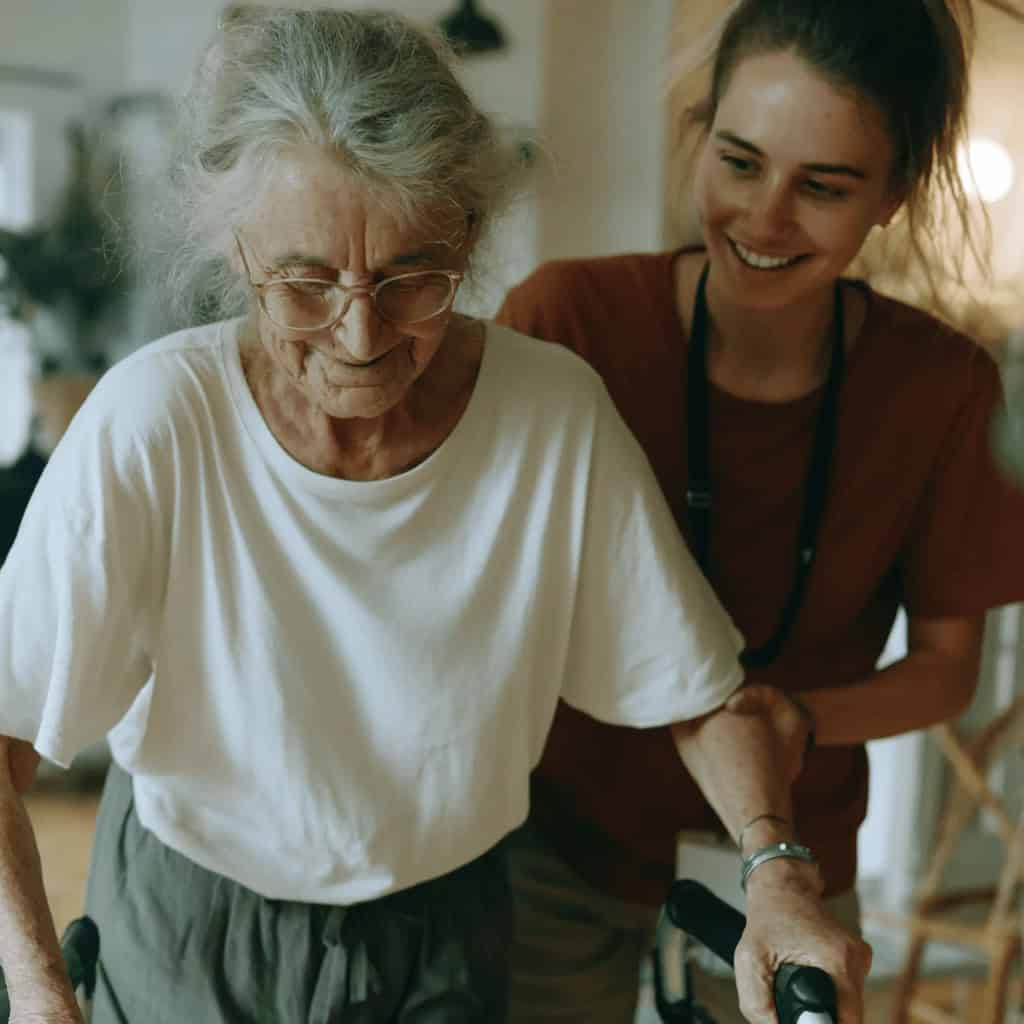
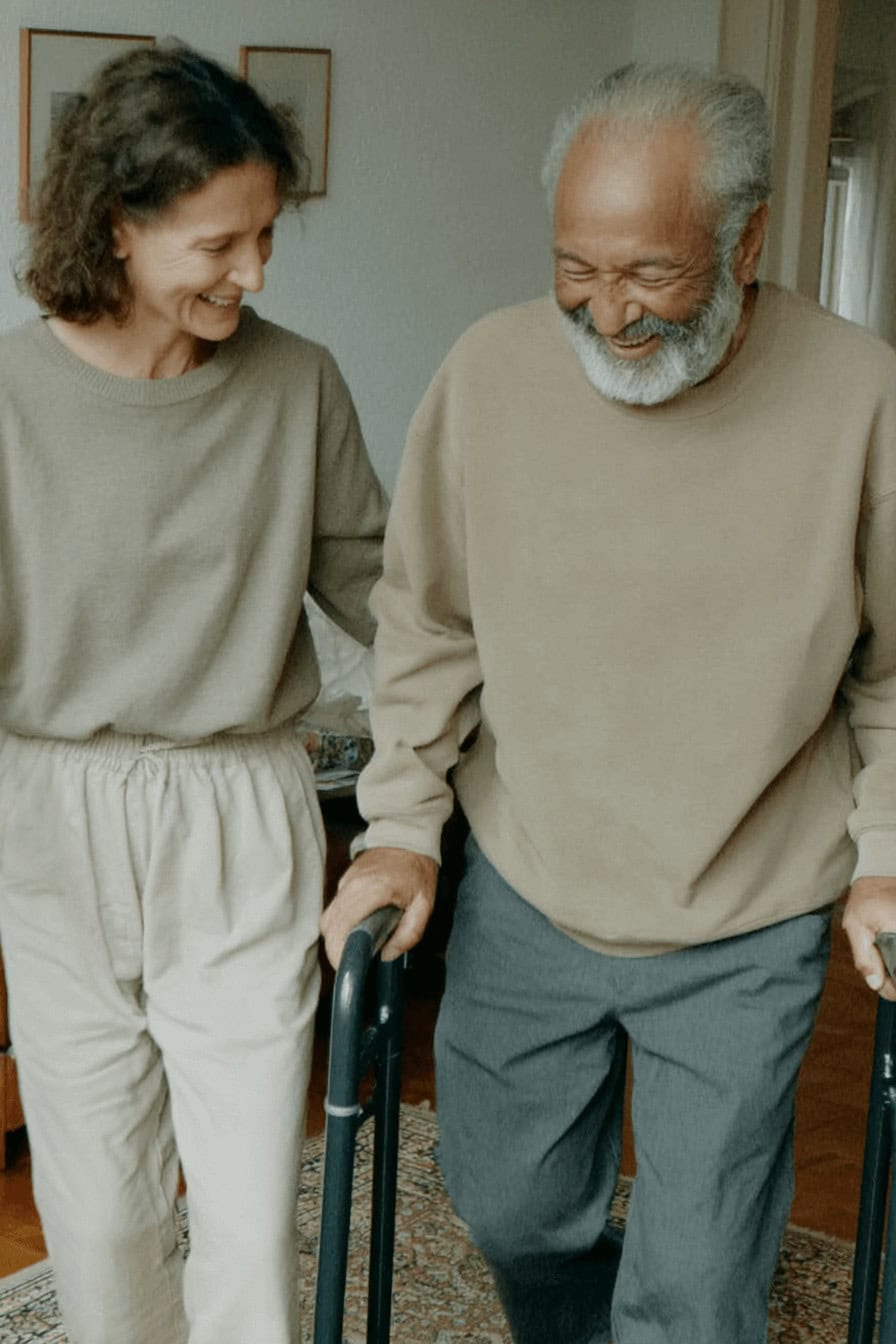
Specialized physical and occupational therapy for stroke recovery
Stroke rehabilitation focuses on retraining your brain and body to work together after a stroke has affected your movement, balance, coordination, or strength. Our therapists use evidence-based neurological techniques to help you recover lost function, adapt to new limitations, and maximize your independence in the environment where you live.
Neuroplasticity-based recovery techniques
Your brain has the ability to form new neural pathways after stroke damage through repetitive, task-specific practice. We use this principle to design exercises that retrain movement patterns, improve coordination, and help your brain relearn skills affected by the stroke through both physical and occupational therapy approaches.
Comprehensive functional training for real-world activities
Recovery isn’t just about exercises, it’s about doing the things that matter to you. Our physical therapists focus on mobility, walking, balance, and strength, while our occupational therapists address daily living skills like dressing, cooking, bathing, and using your hands for functional tasks. Together, we help you live as independently as possible.
Is stroke rehab right for you?
People who benefit from post-stroke therapy
You’re recovering from a recent stroke
Whether you’re just home from the hospital or weeks into recovery, neurological rehabilitation helps you regain lost function, improve mobility, and rebuild the strength and coordination needed for daily activities through physical and occupational therapy.
You’re experiencing weakness, balance issues, or difficulty with daily tasks
Stroke often affects one side of the body, creating weakness, difficulty walking, trouble with balance, or challenges with activities like dressing and eating. Specialized therapy addresses these specific issues and helps prevent falls while improving function.
You need therapy in your home environment
Practicing skills in the place where you actually need to use them is more effective than clinic-based therapy. We work with you in your home so improvements translate directly to your daily life, and you can focus on real-world independence.
Schedule your neurological assessment
Call us to discuss your stroke history, current limitations, and recovery goals. We coordinate with your medical team and can typically schedule your first visit within 24-48 hours of hospital discharge or referral.
Your therapy team evaluates and begins treatment
During your first session, your neuro rehab specialists assess your movement, strength, balance, functional abilities, and daily living skills. We create a personalized treatment plan targeting your specific deficits and start working toward your recovery goals immediately with both physical and occupational therapy approaches.
Consistent therapy focused on your progress
We visit you 2-3 times weekly (or more if needed early in recovery). Your therapists adjust exercises as you improve, celebrate milestones with you, and work closely with your physician and care team throughout your recovery journey.
Specialized neurological rehabilitation expertise
Our physical and occupational therapists have advanced training in stroke recovery and understand the unique challenges of neurological rehabilitation. We use evidence-based techniques proven to maximize recovery after stroke through comprehensive, coordinated care.
Home-based therapy where it matters most
We serve Lee, Collier, Charlotte, and Sarasota counties, bringing expert stroke rehabilitation to your home. You practice real-world skills in your actual environment, making recovery more effective and functional while working on both mobility and daily living activities.
Insurance accepted, coordinated care approach
We work with most major insurance plans including Medicare and coordinate closely with your neurologist, primary care physician, and other providers to ensure comprehensive, integrated stroke recovery care that addresses all aspects of your rehabilitation needs.

Google reviews
Real people, real outcomes
Dynamic Rehab is remarkable. They are thoughtful, kind, knowledgable, professional and hugely competent.
My weekly appointments with Dynamic Rehab have been quite fruitful in addressing my long term issues with scoliosis and sciatica.
Dynamic Mobile Rehab is awesome. I had hip replacement surgery last summer and they are helping me recover muscle strength.
I was 7 months post op from a total hip and started having issues. They have been amazing getting me back on track.
Dynamic Rehab is remarkable. They are thoughtful, kind, knowledgable, professional and hugely competent.
My weekly appointments with Dynamic Rehab have been quite fruitful in addressing my long term issues with scoliosis and sciatica.
Dynamic Mobile Rehab is awesome. I had hip replacement surgery last summer and they are helping me recover muscle strength.
I was 7 months post op from a total hip and started having issues. They have been amazing getting me back on track.
Dynamic Mobile Rehab is doing a great job with PT for my elderly father. Slow but sure progress. Thank you!
After completing 7 weeks of PT with Dynamic Mobile Rehab, I have made significant progress returning strength and mobility to my shoulder.
I’m rehabbing from surgery and have loss of balance and strength. There’s great improvement in both from my therapy sessions.
I couldn’t be happier with the care I received from Dynamic Mobile Rehab. I always feel much better after my sessions with them.
Dynamic Mobile Rehab is doing a great job with PT for my elderly father. Slow but sure progress. Thank you!
After completing 7 weeks of PT with Dynamic Mobile Rehab, I have made significant progress returning strength and mobility to my shoulder.
I’m rehabbing from surgery and have loss of balance and strength. There’s great improvement in both from my therapy sessions.
I couldn’t be happier with the care I received from Dynamic Mobile Rehab. I always feel much better after my sessions with them.
Frequently asked questions
How soon after a stroke should rehabilitation begin?
Stroke rehabilitation should begin as soon as you’re medically stable, typically within 24-48 hours of the stroke while you’re still in the hospital. Early mobilization is crucial for preventing complications like pneumonia, blood clots, pressure sores, and muscle atrophy that can develop quickly from immobility. Starting therapy early also takes advantage of the brain’s heightened neuroplasticity in the first weeks and months after stroke, when recovery potential is greatest. Initial rehabilitation focuses on preventing complications, maintaining range of motion, and beginning basic functional movements. Once discharged home, continuing rehabilitation within 24-48 hours without interruption is essential for maintaining momentum. The first three to six months after stroke represent the most critical window for recovery, though improvements can continue for a year or more with consistent therapy. Delaying rehabilitation allows secondary complications to develop, muscles to weaken further, and abnormal movement patterns to become ingrained. Research clearly shows that stroke survivors who receive early, intensive rehabilitation achieve significantly better long-term outcomes than those with delayed or inadequate therapy. We coordinate with your hospital discharge team to ensure seamless transition to at-home rehabilitation immediately after you return home.
What types of therapy do stroke survivors need?
Stroke survivors typically benefit from multiple types of rehabilitation depending on which abilities were affected. Physical therapy addresses mobility issues including weakness on one side of the body (hemiparesis), balance problems, walking difficulties, coordination deficits, and functional movements like transfers and stair climbing. Occupational therapy focuses on relearning daily living skills such as dressing, bathing, grooming, cooking, and using your hands for functional tasks. Occupational therapists also address cognitive issues affecting daily function including memory, attention, problem-solving, and visual-spatial skills. Speech therapy treats communication problems (aphasia), swallowing difficulties (dysphagia), and cognitive-communication deficits. We provide both physical and occupational therapy services, coordinating closely to address all aspects of your stroke recovery. The specific combination of therapies you need depends on how the stroke affected you. Right-sided strokes often cause left-side weakness and visual-spatial problems, while left-sided strokes typically cause right-side weakness and language difficulties. Your rehabilitation team creates a comprehensive plan addressing your specific deficits and goals. Most stroke survivors benefit from multiple therapy disciplines working together, ensuring all aspects of recovery are addressed for maximum independence and quality of life.
Will I fully recover from my stroke?
Recovery from stroke varies dramatically between individuals, making it impossible to predict exact outcomes. Factors affecting recovery include stroke severity and location, how quickly treatment was received, your age and overall health before the stroke, the presence of other medical conditions, quality and intensity of rehabilitation, and your motivation and family support. Some stroke survivors with mild strokes achieve complete or near-complete recovery within months. Others with severe strokes face permanent disabilities requiring ongoing assistance. Most stroke survivors fall somewhere in between, regaining significant function but not returning entirely to pre-stroke abilities. The most rapid recovery typically occurs in the first three months, with continued improvements possible for a year or more with consistent therapy. Younger stroke survivors generally recover more function than older individuals. Recovery also depends on which brain area was affected. Strokes in certain regions cause more devastating deficits than others. While we can’t guarantee complete recovery, intensive rehabilitation maximizes your potential and helps you achieve the best possible outcome. Many stroke survivors learn to compensate for permanent deficits, adapting their approach to daily activities and maintaining independence despite residual impairments. Setting realistic goals and celebrating incremental progress is important for maintaining motivation throughout the recovery journey.
How long does stroke rehabilitation take?
Stroke rehabilitation timelines vary from weeks to years depending on stroke severity and your response to therapy. Most stroke survivors participate in intensive rehabilitation for at least three to six months, with many continuing therapy for a year or longer. The first three months are typically the most intensive, with therapy sessions three to five times weekly as this is when the brain shows the greatest neuroplasticity and recovery potential. As you progress, therapy frequency often decreases to one to two times weekly for maintenance and continued improvement. Mild strokes may require only weeks to months of therapy, while severe strokes often need ongoing therapy and support indefinitely. Recovery from stroke isn’t linear. You’ll experience periods of rapid improvement followed by plateaus where progress seems to stall. These plateaus are normal, and continued therapy often leads to breakthrough improvements. Some stroke survivors transition from intensive therapy to maintenance programs focusing on preserving gains and preventing decline. Others require long-term therapy to address evolving needs as they tackle new functional goals. Your therapy team monitors your progress, adjusts treatment intensity based on your response, and provides realistic expectations for your specific situation. Commitment to home exercises between therapy sessions significantly impacts both the speed and extent of your recovery.
Can stroke rehabilitation help with paralysis or weakness?
Yes, stroke rehabilitation can significantly improve paralysis or weakness, though outcomes depend on stroke severity and affected brain areas. Complete paralysis immediately after stroke (plegia) often improves to partial weakness (paresis) with intensive therapy, though not all patients regain full strength. Physical and occupational therapy use neuroplasticity-based techniques that retrain your brain to control affected limbs through repetitive, task-specific practice. Exercises focus on high repetition of functional movements, gradually increasing difficulty as your control improves. Techniques include constraint-induced movement therapy for arm/hand weakness, body-weight supported treadmill training for leg weakness, electrical stimulation to facilitate muscle activation, and task-specific training for activities you need to perform. The degree of recovery depends on how much brain tissue was damaged, how quickly treatment began, and your commitment to intensive practice. Some stroke survivors regain near-normal strength, while others develop functional use despite persistent weakness. Even when full strength doesn’t return, therapy helps you learn compensatory techniques for accomplishing tasks despite weakness. Gains are possible months or even years after stroke with appropriate therapy, though early intensive treatment yields the best results. Your therapist creates a strengthening program appropriate for your current ability level and progresses exercises as you improve.
Does insurance cover at-home stroke rehabilitation?
Yes, most insurance plans including Medicare cover at-home stroke rehabilitation when you meet medical necessity criteria. Medicare Part A covers home health services if you’re homebound and need skilled therapy following hospitalization for stroke. Medicare Part B also covers home health when you’re unable to travel safely to outpatient therapy or when home therapy is more appropriate for your condition. Private insurance typically covers home-based stroke rehabilitation with a physician order, though coverage details vary by plan. Insurance generally requires that you demonstrate ongoing progress or need for skilled intervention to maintain function. The number of covered visits depends on your plan, stroke severity, and documentation of medical necessity and continued benefit from therapy. Initial intensive rehabilitation (three to five visits weekly) usually receives coverage for the first several weeks to months. Maintenance therapy to prevent decline may also be covered, though authorization requirements vary. We handle all insurance verification, authorization, and documentation, ensuring your therapy meets coverage criteria. We work with your physician to provide the necessary documentation supporting continued home therapy. Our experience with stroke rehabilitation billing ensures we maximize your insurance benefits while providing the intensive therapy needed for optimal recovery. We explain any potential out-of-pocket costs before beginning treatment.
How do I get started with stroke rehabilitation at home?
Starting at-home stroke rehabilitation should happen as quickly as possible after hospital discharge. Ideally, contact us before you’re discharged so we can arrange your first home visit within 24 hours of arriving home. If you’re already home, call us immediately to set up services. We’ll gather information about your stroke, current limitations, hospital discharge instructions, and medications. You’ll need a physician order for home health services, typically provided by your neurologist or hospitalist at discharge. During your first visit, our stroke rehabilitation specialists (physical and occupational therapists) perform comprehensive evaluations of your movement, strength, balance, coordination, and functional abilities. We assess your home environment for safety concerns, create personalized treatment plans targeting your specific deficits, and begin therapy immediately. We coordinate with your physician, provide necessary medical equipment recommendations, and establish realistic short and long-term goals. Initial therapy frequency is typically three to five times weekly, adjusting as you progress. We handle all insurance verification and authorization. Our service area covers Lee, Collier, Charlotte, and Sarasota counties throughout Southwest Florida. Don’t delay starting stroke rehabilitation. Every day matters in the critical early recovery period. Contact us today to ensure you receive the intensive therapy needed to maximize your recovery potential and regain as much independence as possible.
