Sports medicine physical therapy to get you back in the game
Whether you’re a weekend warrior or staying active in retirement, sports injuries need proper treatment to heal correctly. Our licensed sports medicine therapists bring expert injury rehabilitation directly to your home, helping you recover faster, prevent re-injury, and return to the activities you love with confidence.
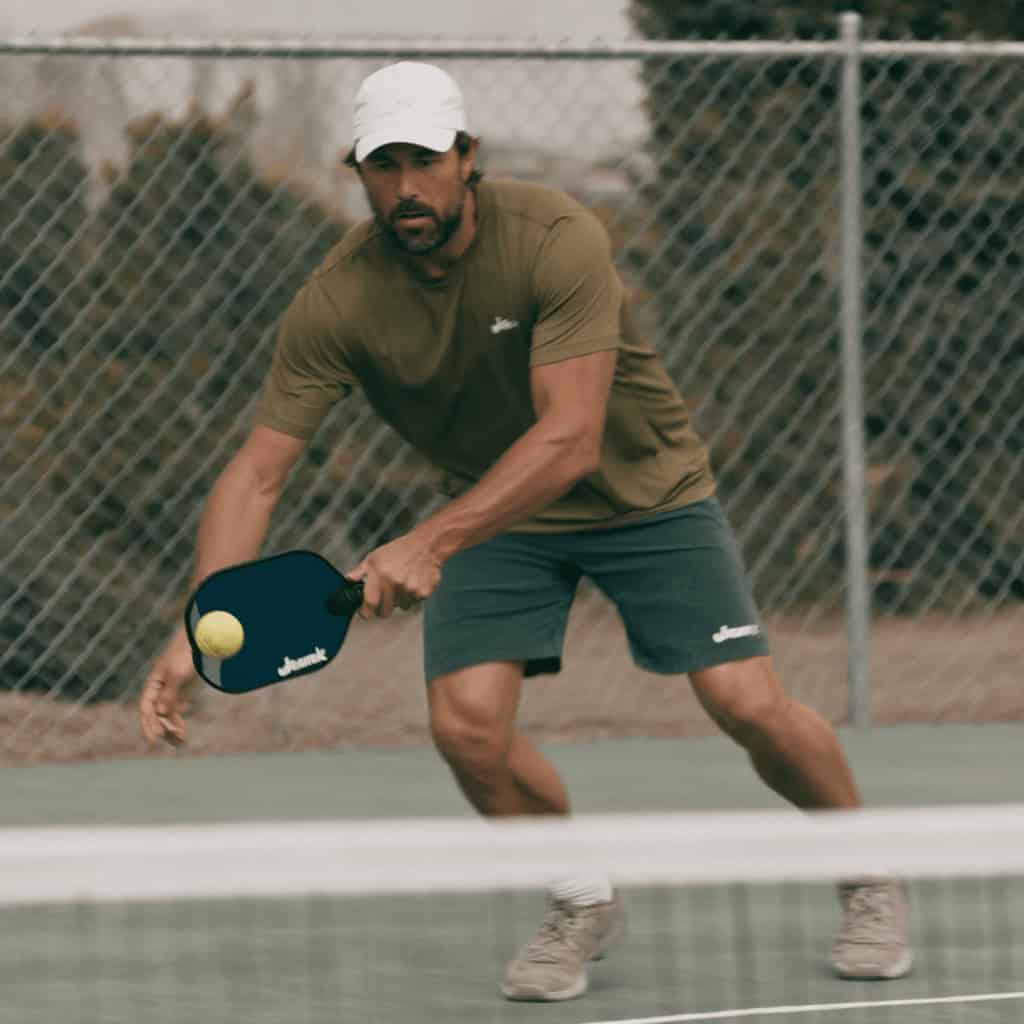

Physical therapy for athletic and activity-related injuries
Sports medicine physical therapy focuses on treating injuries from physical activity, sports, and exercise. Our therapists use specialized techniques to reduce pain, restore function, and address the biomechanical issues that contributed to your injury. Whether it’s a torn rotator cuff, sprained ankle, tennis elbow, or chronic overuse injury, we create treatment plans that get you moving again.
Treating the injury and the underlying cause
Sports injuries often happen because of movement patterns, muscle imbalances, or training errors. We don’t just treat your pain, we identify and correct the root causes so you can return to activity stronger and less likely to get hurt again.
From acute injury to performance optimization
Your therapy progresses through stages: reducing pain and inflammation, restoring mobility and strength, retraining proper movement patterns, and finally preparing you to return to your sport or activity safely. We meet you wherever you are in that process.
Is sports medicine therapy right for you?
People who benefit from athletic injury rehabilitation
You’re dealing with a sports or activity-related injury
If you’ve injured yourself playing golf, tennis, pickleball, running, cycling, or any other physical activity, sports medicine therapy helps you heal properly and return to what you enjoy doing.
Chronic pain is keeping you from staying active
Overuse injuries like tendonitis, bursitis, or persistent joint pain don’t heal on their own. Targeted therapy addresses these conditions so you can stay active without constant discomfort.
You want to recover correctly, not just quickly
Rushing back to activity too soon leads to re-injury. We create structured rehabilitation programs that progress at the right pace, ensuring you return to sports safely and stronger than before.

Schedule your sports injury evaluation
Call us to discuss your injury, how it happened, and what activities you want to return to. We’ll schedule your first visit within 24-48 hours and can typically begin treatment immediately.
Your therapist diagnoses and treats
During your first session, your sports medicine therapist performs a detailed assessment of your injury, movement patterns, and contributing factors. We begin hands-on treatment and exercises right away to start your recovery.
Progressive rehab until you’re ready to return
We visit you 2-3 times weekly, advancing your program through healing phases. Your therapist monitors progress, adjusts treatment intensity, and ensures you’re ready before clearing you to return to full activity.
Specialized sports injury expertise at home
Our therapists understand athletic injuries and the unique demands of returning to sport. We bring the same quality [orthopedic rehabilitation](link to orthopedic rehab page) you’d find in a sports medicine clinic directly to your door.
Convenient recovery across Southwest Florida
We serve active adults throughout Lee, Collier, Charlotte, and Sarasota counties. No need to interrupt your day with clinic visits, we bring expert care to you on your schedule.
Insurance accepted, focused on your goals
We work with most major insurance plans and understand that your goal isn’t just to feel better, it’s to get back to the activities that matter to you. Your treatment plan reflects that.

Google reviews
Real people, real outcomes
Dynamic Rehab is remarkable. They are thoughtful, kind, knowledgable, professional and hugely competent.
My weekly appointments with Dynamic Rehab have been quite fruitful in addressing my long term issues with scoliosis and sciatica.
Dynamic Mobile Rehab is awesome. I had hip replacement surgery last summer and they are helping me recover muscle strength.
I was 7 months post op from a total hip and started having issues. They have been amazing getting me back on track.
Dynamic Rehab is remarkable. They are thoughtful, kind, knowledgable, professional and hugely competent.
My weekly appointments with Dynamic Rehab have been quite fruitful in addressing my long term issues with scoliosis and sciatica.
Dynamic Mobile Rehab is awesome. I had hip replacement surgery last summer and they are helping me recover muscle strength.
I was 7 months post op from a total hip and started having issues. They have been amazing getting me back on track.
Dynamic Mobile Rehab is doing a great job with PT for my elderly father. Slow but sure progress. Thank you!
After completing 7 weeks of PT with Dynamic Mobile Rehab, I have made significant progress returning strength and mobility to my shoulder.
I’m rehabbing from surgery and have loss of balance and strength. There’s great improvement in both from my therapy sessions.
I couldn’t be happier with the care I received from Dynamic Mobile Rehab. I always feel much better after my sessions with them.
Dynamic Mobile Rehab is doing a great job with PT for my elderly father. Slow but sure progress. Thank you!
After completing 7 weeks of PT with Dynamic Mobile Rehab, I have made significant progress returning strength and mobility to my shoulder.
I’m rehabbing from surgery and have loss of balance and strength. There’s great improvement in both from my therapy sessions.
I couldn’t be happier with the care I received from Dynamic Mobile Rehab. I always feel much better after my sessions with them.
Frequently asked questions
What types of sports injuries does physical therapy treat?
Sports medicine physical therapy treats a wide range of acute and chronic injuries from athletic activities and exercise. Common conditions include sprains and strains affecting ligaments, muscles, and tendons throughout the body, rotator cuff tears and shoulder impingement from overhead sports, ACL and meniscus tears in the knee, ankle sprains and instability, tennis elbow and golfer’s elbow, stress fractures from overuse, shin splints, plantar fasciitis, IT band syndrome, hamstring strains, groin pulls, and lower back pain from sports activities. We also treat overuse injuries like tendinitis and bursitis affecting shoulders, elbows, knees, and hips. Post-surgical rehabilitation after sports-related surgeries including ACL reconstruction, rotator cuff repair, meniscus surgery, and labral repairs is a major focus. Beyond injury treatment, sports medicine PT addresses chronic pain limiting athletic performance, biomechanical issues contributing to injury risk, and return-to-sport conditioning after time away from activity. Whether you’re a competitive athlete, weekend warrior, or active adult whose injury is preventing participation in activities you enjoy, our sports medicine therapy provides the specialized treatment needed to recover properly and return to your sport safely and confidently.
How is sports medicine PT different from regular physical therapy?
Sports medicine physical therapy differs from general PT in its focus, goals, and treatment approach. Sports PT emphasizes returning athletes to their specific sport at pre-injury performance levels, not just achieving basic functional independence. Treatment addresses the high-level demands of athletic performance including speed, agility, power, endurance, and sport-specific movements that general PT may not prioritize. Sports therapists understand biomechanics of various sports and activities, allowing targeted treatment of movement patterns specific to your sport. We focus on injury prevention through analysis of techniques, training programs, and equipment that contribute to injury. Sports PT often involves higher intensity exercises and more aggressive progression timelines compared to general rehabilitation. Treatment includes sport-specific drills and exercises that replicate the actual demands you’ll face when returning to competition or recreation. We consider the psychological aspects of sports injury including fear of re-injury and performance anxiety. Sports medicine therapists also coordinate with coaches, trainers, and sports medicine physicians as part of a comprehensive return-to-sport team. The ultimate goal extends beyond pain relief and normal function to include optimized performance, injury prevention, and confidence to compete at your desired level without fear of re-injury.
Can physical therapy help me avoid surgery for my sports injury?
In many cases, yes, physical therapy can help you avoid surgery for sports injuries or at least give conservative treatment a fair chance before considering surgical options. Injuries that often respond well to PT without surgery include partial rotator cuff tears, many meniscus tears (especially degenerative tears in older athletes), MCL sprains, ankle sprains and instability, tendinitis, stress fractures, IT band syndrome, and most muscle strains. Physical therapy addresses pain, inflammation, weakness, and movement dysfunction through targeted exercises, manual therapy, and activity modification. Many athletes achieve full return to sport through conservative treatment alone. However, some injuries typically require surgery for optimal outcomes including complete ACL tears in athletes wanting to return to cutting/pivoting sports, complete rotator cuff tears in young active individuals, displaced fractures, and some labral tears causing mechanical symptoms. Even when surgery becomes necessary, completing pre-operative physical therapy (prehab) often improves surgical outcomes and speeds post-operative recovery. Your therapist provides honest assessment of whether your injury is likely to respond to conservative treatment or if surgical consultation is warranted. We work with orthopedic surgeons to ensure you receive appropriate care. Giving physical therapy a legitimate effort (typically 6-12 weeks) before surgery is often recommended unless emergency surgery is needed.
How long does it take to return to sports after an injury?
Return to sport timelines vary dramatically based on injury type, severity, sport demands, and your individual healing. Minor injuries like Grade 1 ankle sprains or mild muscle strains may allow return in 1-3 weeks. Moderate injuries including Grade 2 sprains, partial tendon tears, or stress fractures typically require 6-12 weeks. Major injuries like ACL reconstruction require 6-12 months before full return to cutting/pivoting sports. Rotator cuff repairs need 4-6 months before unrestricted return. Multiple factors influence timeline including your age, pre-injury fitness level, injury severity, whether surgery was required, compliance with rehabilitation, sport type, position/role demands, and psychological readiness. Contact sports and those requiring cutting, jumping, or overhead movement require longer preparation than straight-line endurance activities. Your physical therapist progresses you through specific phases: initial healing and pain control, restoring range of motion, rebuilding strength, improving endurance, practicing sport-specific skills, and finally return-to-sport training at full intensity. Rushing return before adequate preparation dramatically increases re-injury risk. Objective criteria guide return-to-sport decisions including strength testing, functional movement assessment, sport-specific drills, and psychological readiness. Your therapist coordinates with physicians, coaches, and trainers to determine when you’re truly ready for safe return at the level you desire.
Will I be able to perform at the same level after my injury?
Most athletes can return to their pre-injury performance level with appropriate treatment and rehabilitation, though outcomes depend on injury severity, treatment quality, and your commitment to recovery. Minor to moderate injuries with proper healing and rehabilitation typically allow full return to previous performance. Many athletes even improve performance through the strength, flexibility, and movement quality gains made during rehabilitation. However, severe injuries, especially those requiring surgery, may result in some permanent changes. ACL reconstruction, for example, has about 80-90% success rate for return to sport, but not all athletes achieve pre-injury performance levels. Multiple factors influence outcomes including injury location and severity, surgical repair quality if applicable, age (younger athletes generally recover better), pre-injury conditioning and performance level, rehabilitation quality and duration, psychological factors including fear of re-injury, and realistic performance expectations. Some athletes return quickly but never regain full confidence, limiting performance despite physical recovery. Your therapist addresses both physical and psychological aspects of return to sport. Setting realistic expectations is important. While most recreational athletes return successfully to their sports, elite athletes with severe injuries face more uncertain outcomes. Your dedication to rehabilitation, willingness to address movement deficits, and patience with recovery timelines significantly impact your final performance level.
Does insurance cover sports medicine physical therapy?
Yes, most insurance plans cover sports medicine physical therapy when it’s medically necessary for treating diagnosed injuries or conditions. Coverage typically requires a physician referral documenting your specific injury or condition. Insurance treats sports medicine PT the same as other physical therapy as long as treatment addresses a medical diagnosis (sprain, strain, tendinitis, post-surgical recovery, etc.) rather than performance enhancement for healthy athletes. Both acute injuries and overuse conditions generally qualify for coverage. Medicare covers sports-related injuries if they meet medical necessity criteria, though Medicare patients are often older recreational athletes rather than competitive players. The number of covered visits varies by insurance plan, typically ranging from 20-60 visits per year, though some plans allow more with medical justification. Prior authorization may be required depending on your specific plan. We verify your coverage before beginning treatment, obtain necessary authorizations, and handle all billing and documentation to maximize your benefits. Out-of-pocket costs depend on your deductible, copay, and coinsurance amounts. Some specialized services like return-to-sport performance testing may not be covered, but standard injury rehabilitation typically is. We’re experienced in documenting medical necessity for sports injuries to ensure appropriate insurance coverage for your treatment.
How do I get started with sports medicine physical therapy?
Getting started with sports medicine physical therapy is straightforward. Contact us to discuss your sports injury, how it occurred, what activities it’s preventing, and your goals for treatment. We’ll ask about your sport or activity, competitive level, symptoms, and any previous treatment you’ve received. You’ll need a physician referral for physical therapy, though we can help coordinate this with your doctor if needed. Many athletes see us shortly after injury, while others come after trying rest and self-treatment without improvement. We can typically schedule initial evaluations within 24-48 hours for acute injuries or within one week for chronic conditions. During your first appointment, our sports medicine therapist performs comprehensive evaluation including injury history, movement analysis, strength and flexibility testing, and sport-specific assessment. We create a personalized treatment plan focused on your specific injury and return-to-sport goals. Treatment frequency is typically 2-3 times weekly initially, adjusting as you progress. We coordinate with your physician, coaches, or trainers as appropriate. All insurance verification and billing is handled by our team. We serve active individuals throughout Lee, Collier, Charlotte, and Sarasota counties with convenient at-home sports medicine therapy. Don’t let your injury keep you from the activities you love. Contact us today to start your recovery and return to sport.
